Walk the scrap tray before you draw the chart
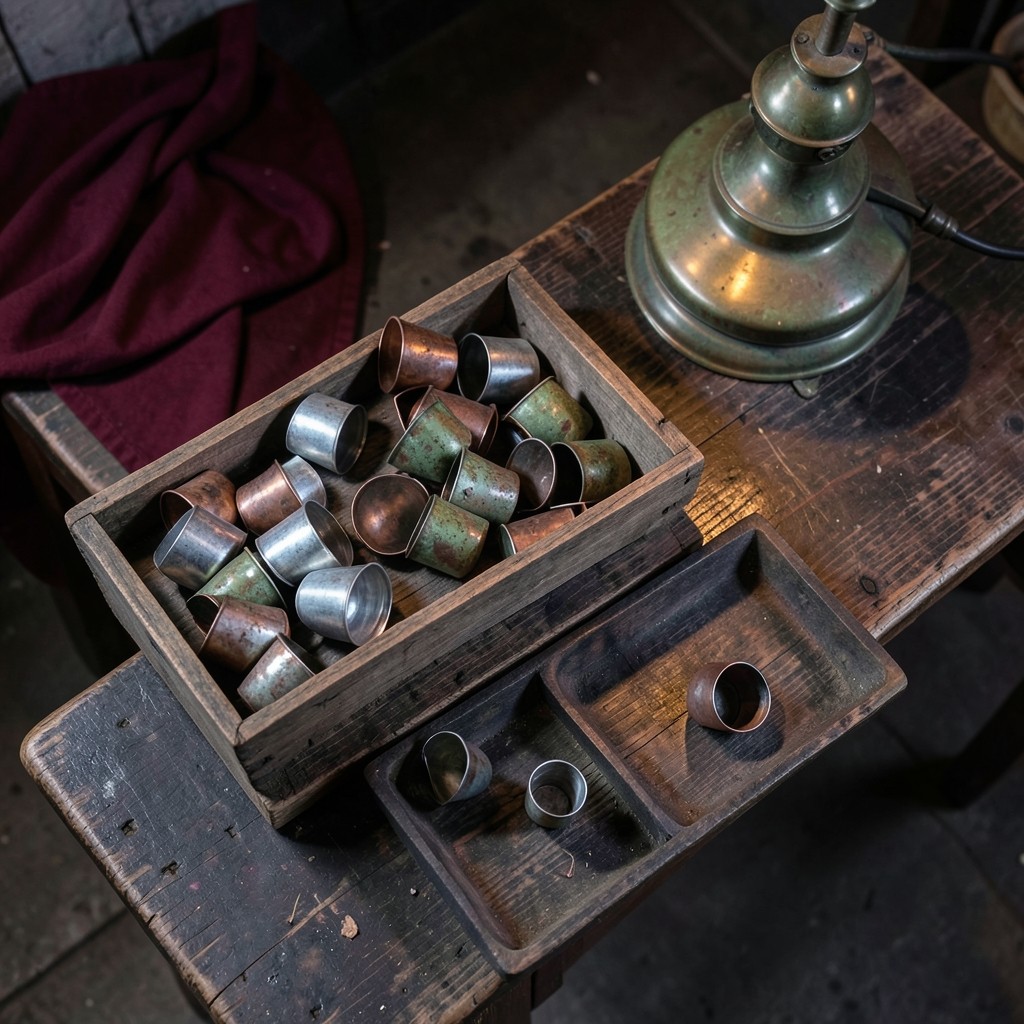
The wall at the Bang Pu stamper held six wooden trays under the press. The inspection book on the podium used two codes that mattered to the customer: burr and crack. For six weeks the book made burr look like the whole problem. The quality manager asked us to draw that book. We almost did it from the podium alone.
The tray was already full
Malee stood at the trays before she opened a fresh sheet. The crack tray was nearly empty. The burr tray was heaped, and in that heap were cups split along the draw, not merely sharp at the edge. The night operator said the crack line on the ticket pad had run out on a Thursday. Rather than walk to the office for a new pad, he ticked burr, because both faults were scrap and the tray was closer.
The Pareto of the book was honest about the ticks and dishonest about the cups. A chart that repeats the book without the tray will brief the director on a stationery shortage.
What we changed in the folio
We drew two pictures and labelled them as such. One was the book, ticks as written. The other was a recount of one full tray, done with the operator who had thrown the cups, sorting burr from crack by eye for that week only. We did not 'correct' the other five weeks. Those weeks stayed as written, with a note that the crack pad had been missing.
The supervisor's question changed. He stopped asking why the die was throwing so much burr. He asked who refills the ticket pad on Thursday night, and whether a split cup is allowed to share a tray with an edge burr. Those are plant questions. The chart only made them visible.
A habit worth keeping
Before a scrap picture is inked, walk the place where the pieces actually land. If the code on the ticket cannot be found in the tray, the folio should say so. A smooth Pareto that never left the podium is a drawing of the form, not of the line.